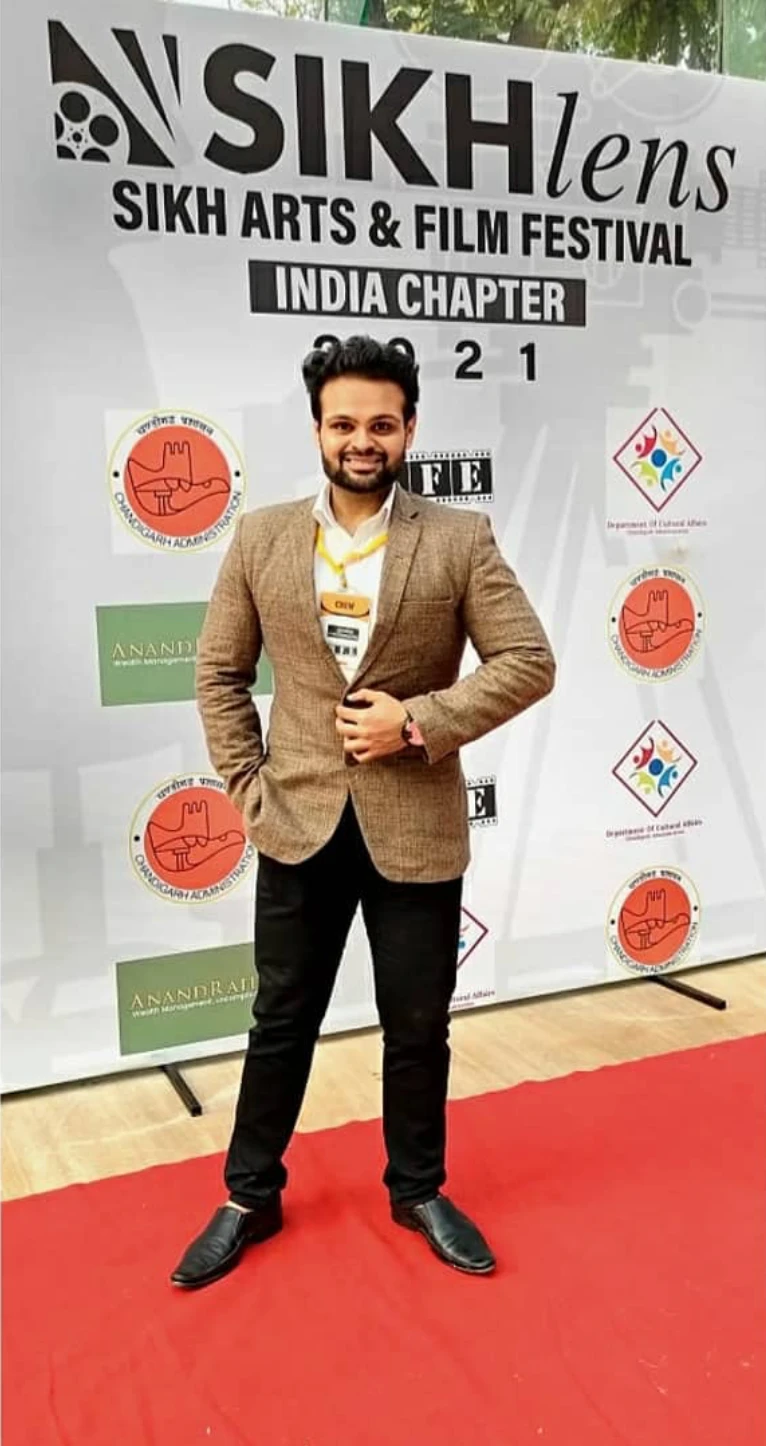
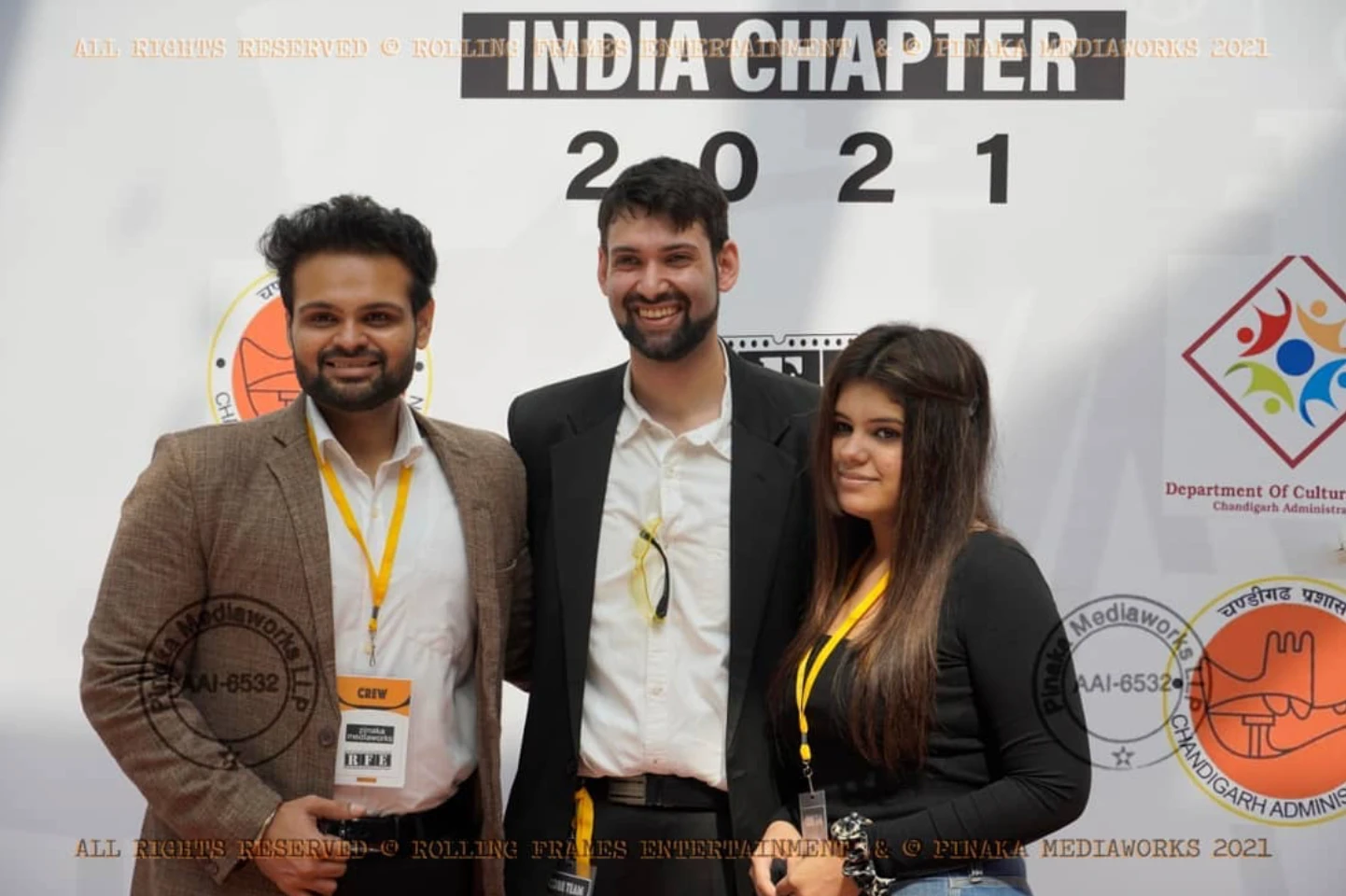
On February 21, 2020, I had the incredible opportunity to attend the inaugural Sikhlens: Sikh Arts & Film Festival – India Chapter held at Tagore Theatre, Chandigarh. Curated with care, passion, and cultural depth, the festival was a powerful celebration of Sikh identity, creativity, and storytelling on the big screen.
From the moment I walked into the venue, there was an unmistakable energy—a mix of excitement, reflection, and pride. The festival was open to the public and drew in an inspiring mix of artists, filmmakers, poets, students, and changemakers. It felt like more than an event—it felt like a community coming together to tell its truth through cinema.
The day unfolded across three dedicated film sessions showcasing short films, documentaries, and visual narratives focused on themes of identity, history, resilience, and culture. Whether it was the story of Fauja Singh defying age or Chaurassi revisiting the pain of 1984, each film offered a unique lens into the Sikh experience—rooted in both legacy and lived realities.
Live spoken-word poetry and a well-received comedy set added texture and balance to the day. The curation stood out—it was honest, inclusive, and thought-provoking.
As someone deeply involved in creative strategy and storytelling through Akki Studios, I found the entire event refreshing and deeply relevant. It reminded me how visual narratives, when done right, don’t just inform but also connect and move people.
A huge appreciation to the team behind Pinaka Mediaworks, Rolling Frames Entertainment, and curator Ojaswwee Sharma for bringing this vision to life. The groundwork they’ve laid with Sikhlens India is already turning into an annual legacy, and I’m proud to have witnessed its beginning.
The day unfolded across three dedicated film sessions showcasing short films, documentaries, and visual narratives focused on themes of identity, history, resilience, and culture. Whether it was the story of Fauja Singh defying age or Chaurassi revisiting the pain of 1984, each film offered a unique lens into the Sikh experience—rooted in both legacy and lived realities.
Live spoken-word poetry and a well-received comedy set added texture and balance to the day. The curation stood out—it was honest, inclusive, and thought-provoking.
As someone deeply involved in creative strategy and storytelling through Akki Studios, I found the entire event refreshing and deeply relevant. It reminded me how visual narratives, when done right, don’t just inform but also connect and move people.
A huge appreciation to the team behind Pinaka Mediaworks, Rolling Frames Entertainment, and curator Ojaswwee Sharma for bringing this vision to life. The groundwork they’ve laid with Sikhlens India is already turning into an annual legacy, and I’m proud to have witnessed its beginning.